Equip Yourself with Life-Saving Skills! Join Our Basic Life Support(BLS) & Medication Classes. Sign Up Today!
At Mercy Health Services LLC, our CPR & First Aid Heart Saver training programs are essential components of Basic Life Support (BLS) training. These courses are meticulously designed to equip participants with the critical skills and knowledge needed to respond effectively to a variety of emergency situations.
Our training programs adhere to the highest standards set by the American Heart Association (AHA), ensuring that our participants receive the most current and effective life-saving techniques in emergency situations.
At Mercy Health Services (MHS), we are committed to delivering exceptional healthcare through our comprehensive training programs for Certified Medication Technicians (CMTs) and Trained Medication Employees (TMEs). Our meticulously designed courses equip healthcare professionals with the knowledge, skills, and competencies necessary to administer medications safely, efficiently, and compliantly, ensuring the highest standards of patient care.
Our Classes/Training Covers Four Major Aspects, Namely CPR, First Aid Heart Saver, Certified Medication Technicians & Trained Medication Employees.
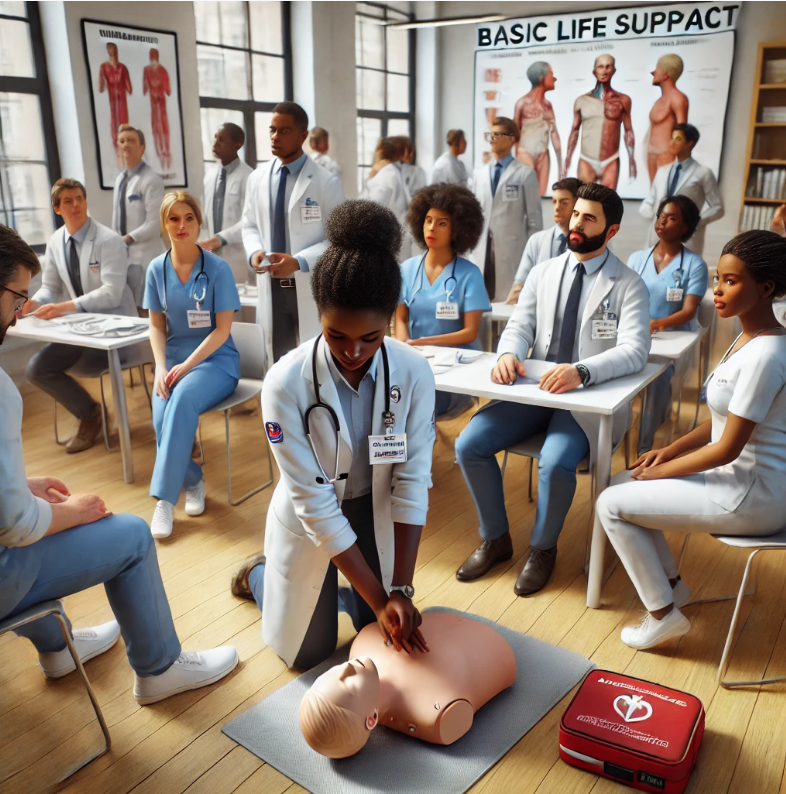
Our CPR training course is designed to provide participants with the skills needed to perform high-quality cardiopulmonary resuscitation (CPR) in various emergency situations. Whether you are a healthcare professional, a caregiver, or someone looking to be prepared for unexpected emergencies, our CPR training will give you the confidence and competence to act swiftly and effectively.
Our CPR Training Includes:
- Adult, Child, and Infant CPR: Comprehensive training on performing CPR on individuals of all ages, ensuring that you are prepared for any situation.
- Use of Automated External Defibrillators (AED): Instruction on the proper use of AEDs, including when and how to use them effectively.
- Choking Relief: Techniques for relieving choking in adults, children, and infants.
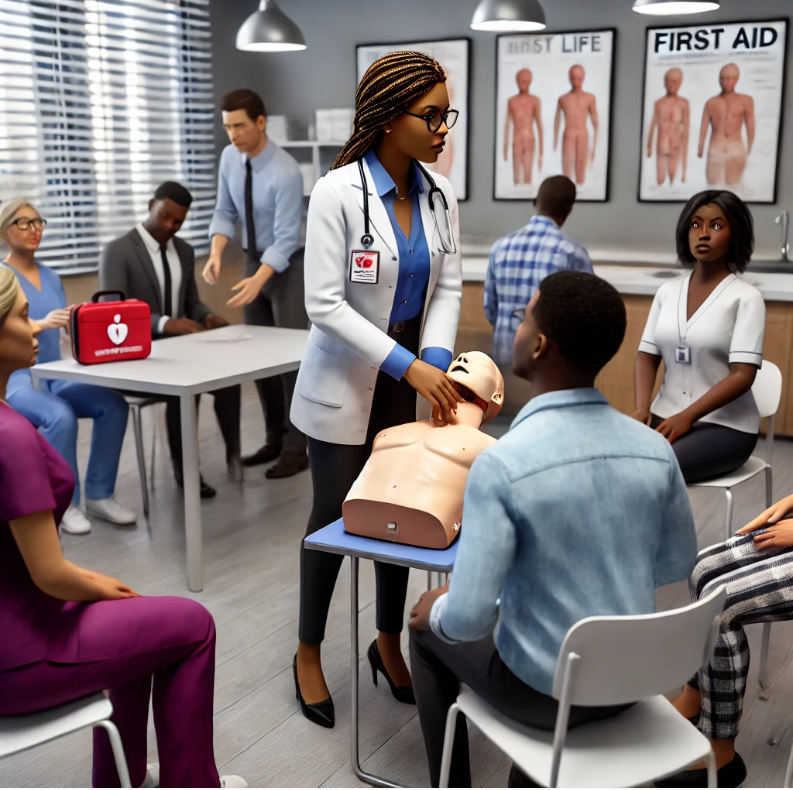
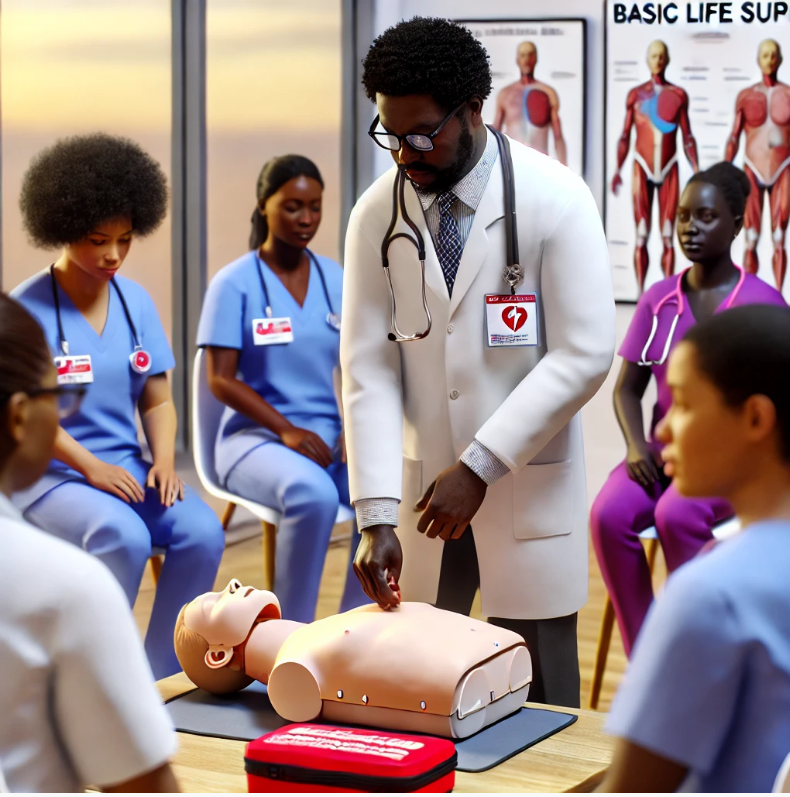
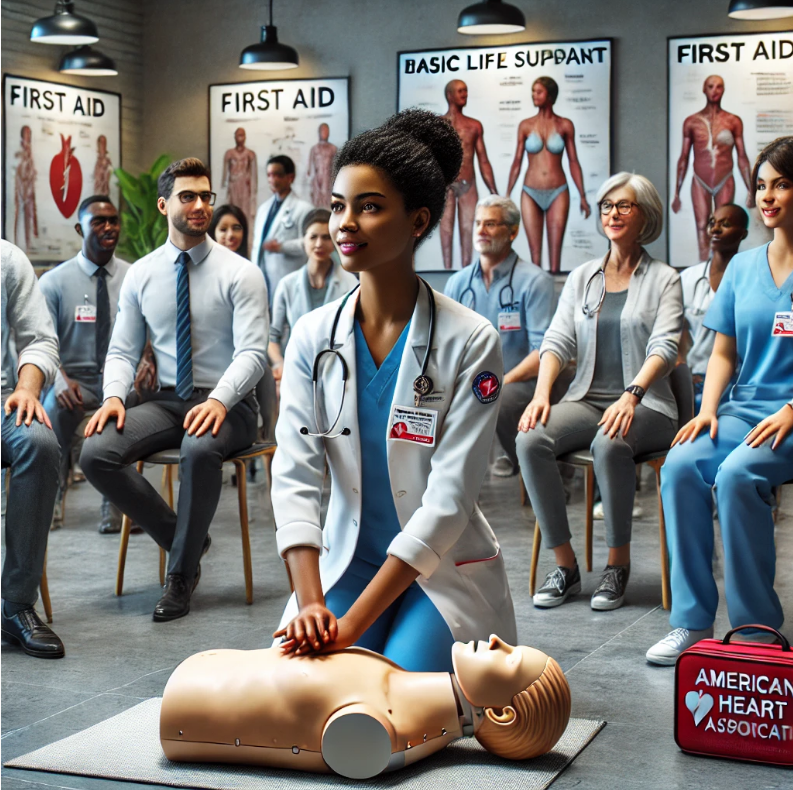
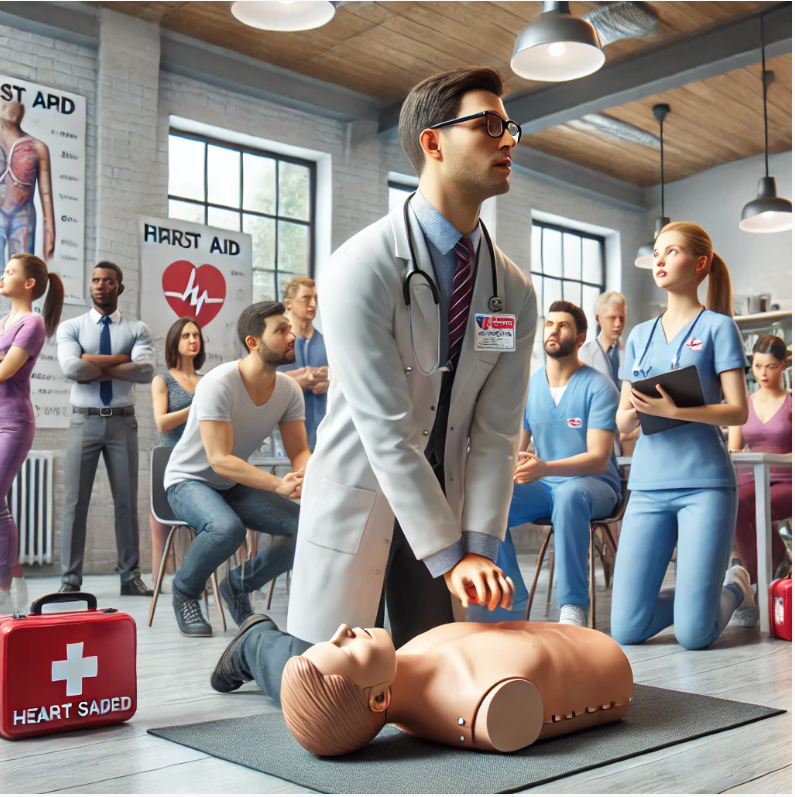
- Hands-On Practice: Practical, hands-on training with mannequins to ensure that participants gain confidence and proficiency in performing CPR.
AHA Certification: Upon successful completion of the course, participants will receive an American Heart Association certification card, valid for two years.
Our First Aid Heart Saver Class provide essential training in basic first aid skills, empowering participants to provide immediate care in emergency situations until professional help arrives. This course is ideal for anyone looking to enhance their emergency preparedness and response capabilities.
Our First Aid Heart Saver Classes Include:
- Basic First Aid Skills: Training on how to manage a variety of medical emergencies, including cuts, burns, sprains, fractures, and more.
- Medical Emergency Response: Instruction on how to respond to medical emergencies such as heart attacks, strokes, and allergic reactions.
- Injury and Illness Assessment: Techniques for assessing and prioritizing care for injuries and illnesses.
- CPR and AED Integration: Combined training on how to integrate CPR and AED use with first aid response.
- AHA Certification: Participants will receive an American Heart Association certification card upon successful completion of the course, valid for two years.
Why Choose Mercy Health Services LLC for CPR and First Aid Training?
- Expert Instructors: Our courses are taught by experienced, certified instructors who are knowledgeable and passionate about emergency preparedness and response.
- Comprehensive Curriculum: We provide thorough and up-to-date training that adheres to the latest guidelines and best practices from the American Heart Association.
- Hands-On Training: Our classes include extensive hands-on practice to ensure that participants are well-prepared to handle real-life emergencies.
- Flexible Scheduling: We offer flexible class schedules to accommodate the needs of busy professionals and individuals.
- Supportive Learning Environment: Our state-of-the-art facilities provide a comfortable and supportive environment for learning and practicing life-saving skills.
Enroll Today
Don’t wait until an emergency happens to be prepared. Enroll in our CPR Training and First Aid Heart Saver Classes today and gain the skills and confidence to make a difference when it matters most. For more information or to register for a class, please call us at 301-717-9836 or click on the Join Now button. Mercy Health Services LLC – Committed to Saving Lives, One Class at a Time. By providing professional, thorough, and certified training programs, Mercy Health Services LLC ensures that our community is equipped with the knowledge and skills needed to respond to emergencies and save lives. Join us in our mission to create a safer, more prepared community.
Our Maryland Certified Medication Technicians (CMTs) are pivotal members of the healthcare team, tasked with the critical responsibility of administering medications to patients. Their role is integral to ensuring the efficacy of patient care, as they help maintain the therapeutic regimen prescribed by physicians. This detailed elaboration explores the multifaceted responsibilities and the essential nature of CMTs in the healthcare setting.
Key Responsibilities of CMTs
Administering Medications:
- Precision and Accuracy: CMTs are trained to administer medications accurately, ensuring that each patient receives the correct dosage at the appropriate times. This precision is crucial in preventing underdosing or overdosing, which can lead to ineffective treatment or adverse effects.
- Variety of Medications: They handle various forms of medications, including oral tablets, capsules, liquid medications, injections, and topical treatments. Their expertise covers the entire spectrum of medication administration routes.
Monitoring Patient Reactions:
- Vigilant Observation: CMTs closely monitor patients for any immediate reactions or side effects post-medication administration. This vigilance helps in early detection of adverse reactions, allowing for prompt intervention.
- Documentation: Accurate documentation of patient responses is maintained to track any changes in condition and to inform subsequent care decisions. This documentation is essential for ongoing patient management and continuity of care.
Ensuring Patient Safety:
- Medication Safety Protocols: CMTs adhere to stringent medication safety protocols, including the “five rights” of medication administration: the right patient, the right drug, the right dose, the right route, and the right time. These protocols are fundamental in minimizing errors.
- Aseptic Techniques: For injectable medications, CMTs employ aseptic techniques to prevent infections. They are proficient in preparing and administering injections safely.
Effective Communication:
- Patient Interaction: CMTs communicate effectively with patients, providing information about the medications they are receiving, including potential side effects and what to expect. This communication helps in alleviating patient anxiety and ensuring compliance.
- Team Coordination: They collaborate closely with nurses, physicians, and other healthcare professionals to ensure a coordinated approach to patient care. This teamwork is crucial for holistic patient management.
Maintaining Medication Records:
- Accurate Record-Keeping: CMTs maintain meticulous records of all medications administered. This includes documenting the time, dose, and any patient reactions. Accurate record-keeping is vital for legal compliance and quality assurance.
- Confidentiality: They ensure that all patient records are kept confidential, adhering to HIPAA regulations and other privacy laws.
Training and Certification
Comprehensive Training: CMTs undergo rigorous training programs that cover the fundamentals of pharmacology, medication administration techniques, patient safety protocols, and legal aspects of medication management. This comprehensive training equips them with the knowledge and skills necessary for their role.
Certification: Upon completion of their training, CMTs must pass a certification exam to validate their competence. Certification demonstrates their proficiency and commitment to maintaining high standards of patient care. Continuing education is often required to keep their certification current and to stay updated with advancements in medication management.
Impact on Patient Care
Enhanced Patient Outcomes: The expertise of CMTs in administering medications accurately and safely directly impacts patient outcomes. Proper medication management ensures that patients receive the full therapeutic benefit of their treatments, leading to improved recovery rates and overall health.
Reduction in Medication Errors: CMTs play a critical role in reducing medication errors, which are a significant concern in healthcare. Their meticulous attention to detail and adherence to safety protocols minimize the risk of errors, contributing to safer patient environments.
Support for Nursing Staff: By handling the medication administration duties, CMTs free up nurses to focus on other critical aspects of patient care, such as assessments, care planning, and patient education. This support enhances the overall efficiency and effectiveness of the healthcare team.
Certified Medication Technicians are indispensable in the healthcare industry, ensuring that medications are administered correctly and safely. Their role requires a blend of technical skills, clinical knowledge, and compassionate patient care.
At Mercy Health Services, we recognize the invaluable contributions of CMTs and are dedicated to providing top-tier training to prepare them for their essential roles in patient care. Through their diligent efforts, CMTs help achieve better patient outcomes, uphold safety standards, and enhance the overall quality of healthcare delivery.
Our DC Trained Medication Employees (TMEs) class are essential members of the healthcare team, providing critical support in medication administration under the supervision of licensed healthcare professionals. Their role is pivotal in ensuring that medication protocols are adhered to meticulously, thereby reducing the risk of errors and enhancing patient safety.
Key Responsibilities of TMEs
Assisting with Medication Administration:
- Supportive Role: TMEs assist licensed healthcare professionals, such as nurses and physicians, in administering medications to patients. Their support helps streamline the medication administration process, ensuring that patients receive their medications on time.
- Various Forms of Medication: TMEs are trained to handle different forms of medication, including oral, topical, and injectable, ensuring versatility and adaptability in various healthcare settings.
Following Medication Protocols:
- Adherence to Protocols: TMEs strictly follow established medication protocols, which include verifying the right patient, medication, dosage, route, and timing. This adherence is crucial in preventing medication errors.
- Documentation: Accurate documentation of medication administration is a key responsibility. TMEs ensure that every medication given is recorded properly, maintaining detailed records that are essential for patient safety and regulatory compliance.
Monitoring Patient Reactions:
- Observing Patients: TMEs closely monitor patients for any adverse reactions or side effects after medication administration. Their vigilance allows for immediate intervention if any issues arise.
- Reporting: Any unusual reactions or side effects are promptly reported to supervising healthcare professionals. This reporting is critical for timely medical intervention and for adjusting treatment plans as necessary.
Ensuring Patient Safety:
- Safety Protocols: TMEs are trained in various patient safety protocols to minimize risks during medication administration. This includes understanding contraindications, potential drug interactions, and the importance of hygiene and aseptic techniques.
- Patient Education: TMEs play a role in educating patients about their medications, including how to take them properly and what side effects to watch for. This education helps empower patients to participate in their own care. The Trained Medication Employee (TME) training program at Mercy Health Services are designed to produce highly skilled and knowledgeable professionals who are essential to the healthcare team. Through comprehensive training modules, hands-on practical experience, expert instruction, and a strong emphasis on patient safety and compliance, we ensure that our trainees are fully prepared to excel in their roles. By investing in the education and development of TMEs, MHS is committed to enhancing the quality of patient care and supporting the overall efficiency and effectiveness of healthcare delivery not just in the state of Maryland where we are licensed to operate but in the entire DMV region.
Specialized Training For Healthcare Workers Be A Lifesaver! Master Essential Skills with MHS BLS, CMTs, TMEs Classes. Enroll Today!
Don't Wait for an Emergency – Be Ready with MHS BLS, CMT, TME Training. Inquire Today!
Transform into a Hero! Join Our BLS Training Today and Save Lives Tomorrow. Register Now!


Copyright © 2024 Mercy Health Services LLC, (MHS) Created By BC LLC.